
Pastoral Care at Doon Global School

Pastoral Care

Student Well-being at DGS

How DGS Approaches Student Well-Being

Pastoral care connects a student's academic experience with emotional health, personal well-being and a sense of belonging. The support a child receives can vary by age, need and whether they attend as a day scholar or boarder, so families should confirm the current staffing, referral route and response process that would apply to their child.

The May 2026 mandatory disclosure records one Counsellor and Wellness Teacher and one Special Educator. During a visit, ask who currently handles day-to-day concerns, how students request help, when parents are contacted and how a concern is escalated when specialist support is needed.

A Caring Environment

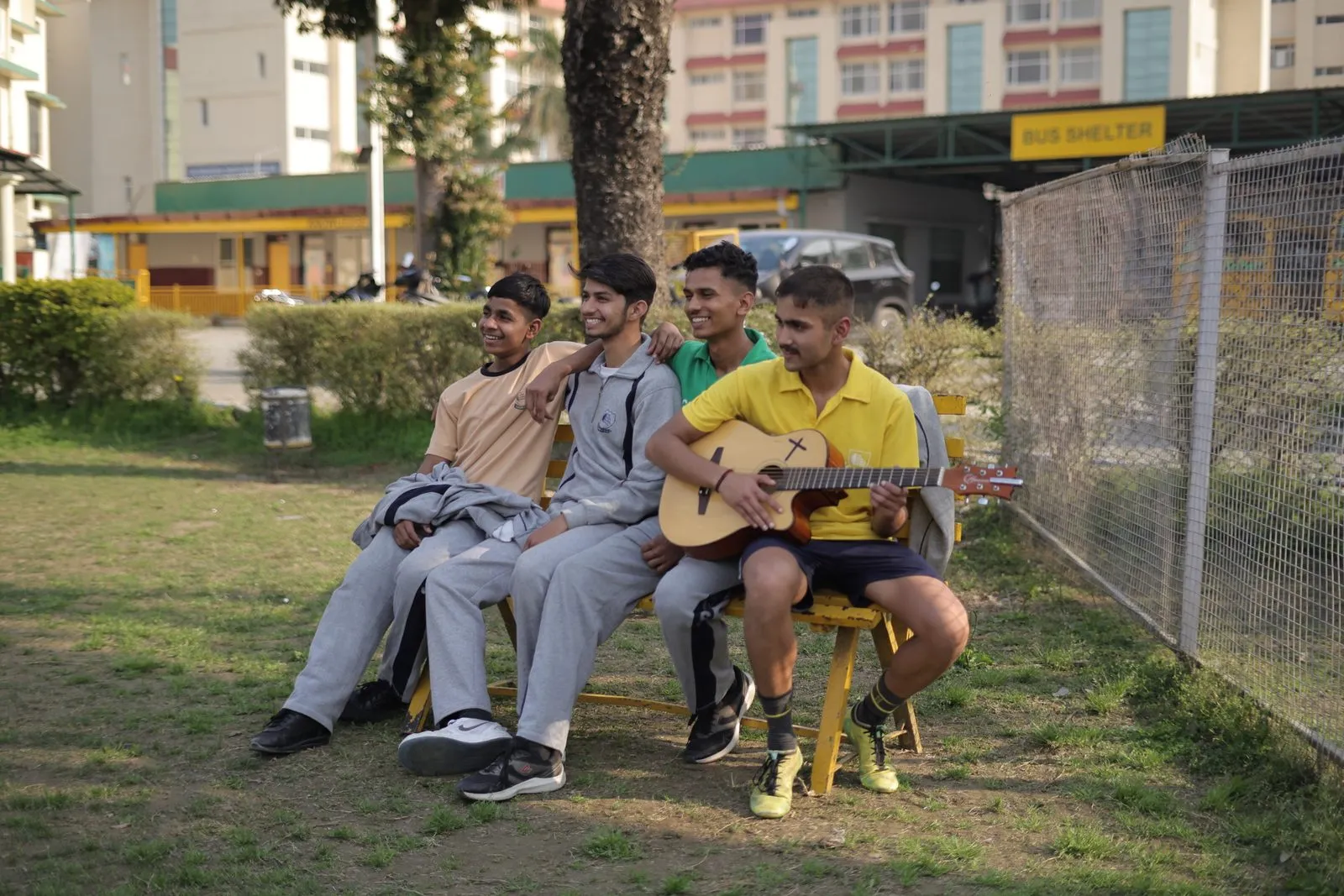
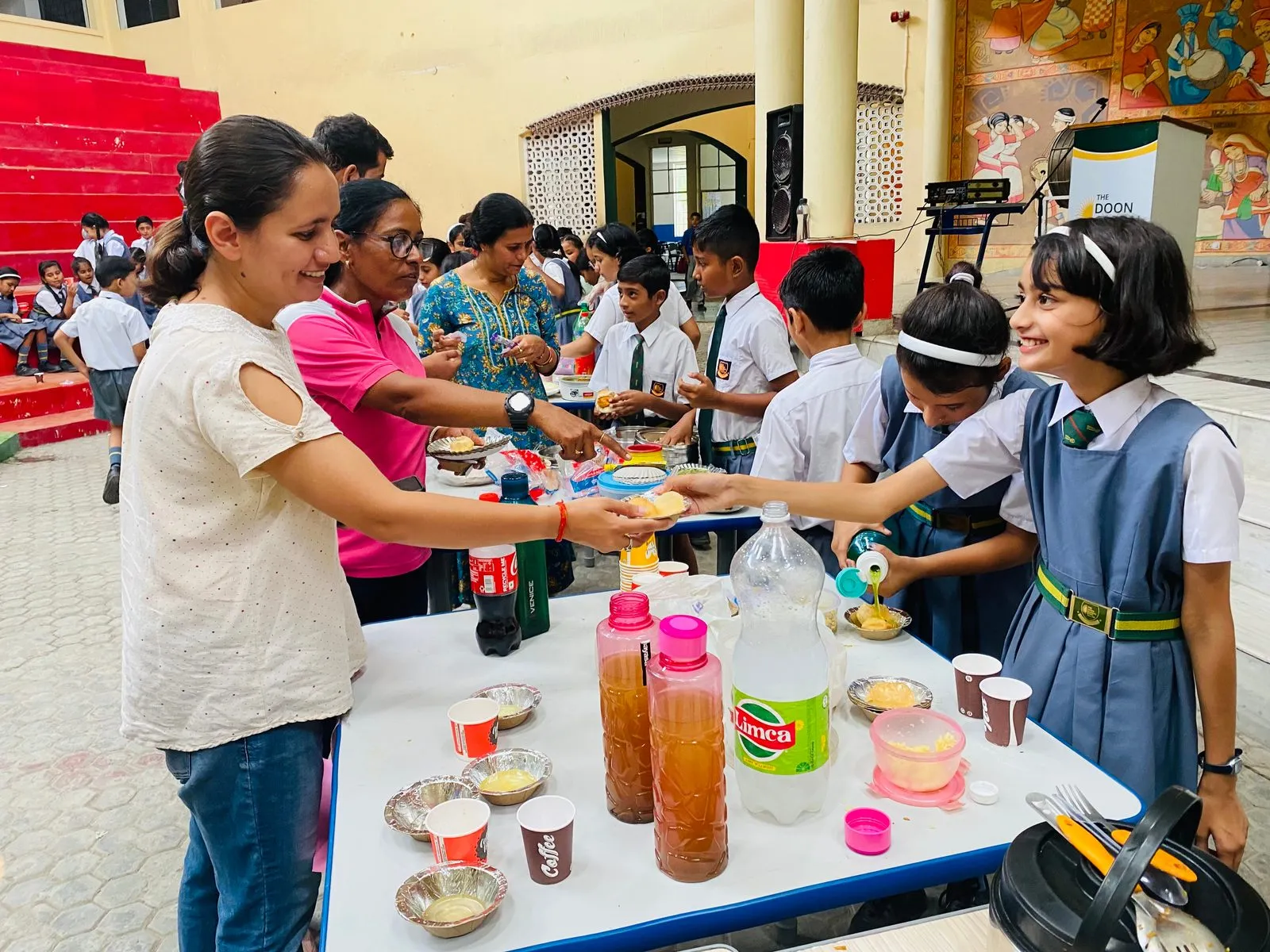
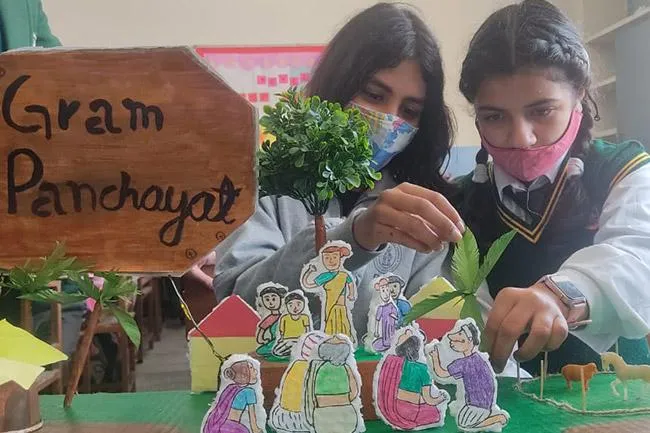
Glimpses of the support, mentorship, and care at DGS

Pastoral Care Arrangements to Verify

Counseling

Ask who currently provides counselling, their qualifications and availability, how appointments are requested, what records are kept, and the limits of confidentiality where safeguarding or safety concerns arise.

Mentorship

Ask whether the current class-teacher, house or adviser system includes a named adult contact, how often students meet that person, what the role covers and how families can raise a concern if the arrangement is not working.

Health Services

Families should ask who provides first response during school and boarding hours, how medicines and incidents are recorded, how parents are contacted and which emergency-referral process currently applies.

Emotional Support

Ask which age-appropriate well-being, stress-management or peer-support sessions are on the current calendar, who leads them and how the school evaluates participation and refers students who need individual help.

Anti-Bullying Policy

How Bullying Is Prevented and Reported

Families should request the current written anti-bullying policy and check how it defines physical, verbal, social and cyberbullying, who receives a report, what interim safeguards are available and how parents are informed.

Prevention & Awareness

Ask which prevention sessions, classroom discussions or digital-citizenship activities are currently scheduled, which age groups receive them and how the school records attendance and follows up on concerns.

Reporting & Response

Confirm the reporting channels available to students, parents and staff; the limits of confidentiality; expected acknowledgement times; investigation and documentation steps; possible interventions; and the escalation route if a family believes a concern remains unresolved.

Student Well-Being Program

A Practical Review of Student Welfare

When comparing pastoral-care provision, ask the school to explain which of the following arrangements currently operate and how they are documented:

  • Student Check-Ins: Who notices changes in mood, attendance or readiness to learn, and what happens next?
  • Life Skills Education: Which current sessions cover decision-making, conflict resolution, time management and communication?
  • Parent-Counsellor Contact: How can a parent request a meeting, and when is consent or notification required?
  • Transition Support: What help is available when a student changes grade, joins mid-year or begins boarding?
  • Peer Support: Are students involved in peer support or mediation, and what adult supervision and safeguarding limits apply?

Access and Escalation

Ask how students and parents can request a conversation with a teacher, counsellor, house staff member or school leader, the expected response time, and the next contact when a concern cannot be resolved at the first level.